Top Tips for Stress-Free Pet Sitting Services
Finding the right pet sitter can be a daunting task. Whether you're going on vacation, a business trip, or just need someone to care for your furry friend during the day, ensuring your pet is in good hands is crucial. In this blog post, we will explore top tips for stress-free pet sitting services that will help you choose the best sitter for your beloved pets and ensure a smooth experience for both you and your pets.

Understanding Your Pet's Needs
Before you even start looking for a pet sitter, it's essential to understand your pet's unique needs. Each pet has its own personality, preferences, and requirements. Here are some factors to consider:
1. Dietary Requirements
Does your pet have specific dietary needs? Make sure to provide clear instructions about feeding schedules, portion sizes, and any allergies. This will help prevent any mishaps during the sitting period.
2. Exercise Routine
Pets need regular exercise to stay healthy and happy. Share your pet's exercise routine with the sitter, including how often they need walks, playtime, and any favorite activities.
3. Medical Needs
If your pet requires medication or has health issues, ensure the sitter is aware of these needs. Provide detailed instructions on administering medication and any signs of potential health problems to watch for.
Finding the Right Pet Sitter
Once you have a clear understanding of your pet's needs, it's time to find the right sitter. Here are some tips to help you in your search:
1. Ask for Recommendations
Start by asking friends, family, or your veterinarian for recommendations. Personal referrals can lead you to trustworthy sitters who have a good reputation.
2. Check Online Reviews
Websites like Rover or Care.com allow you to read reviews from other pet owners. Look for sitters with high ratings and positive feedback about their experiences.
3. Conduct Interviews
Once you've narrowed down your options, conduct interviews with potential sitters. Ask about their experience, how they handle emergencies, and their approach to pet care. This will give you a sense of their personality and whether they are a good fit for your pet.
Preparing for the Pet Sitting Experience
Preparation is key to ensuring a smooth pet sitting experience. Here are some steps to take before the sitter arrives:
1. Create a Care Guide
Compile a detailed care guide for your pet sitter. Include information on feeding, exercise, grooming, and any special instructions. This guide will serve as a helpful reference for the sitter.
2. Set Up a Comfortable Environment
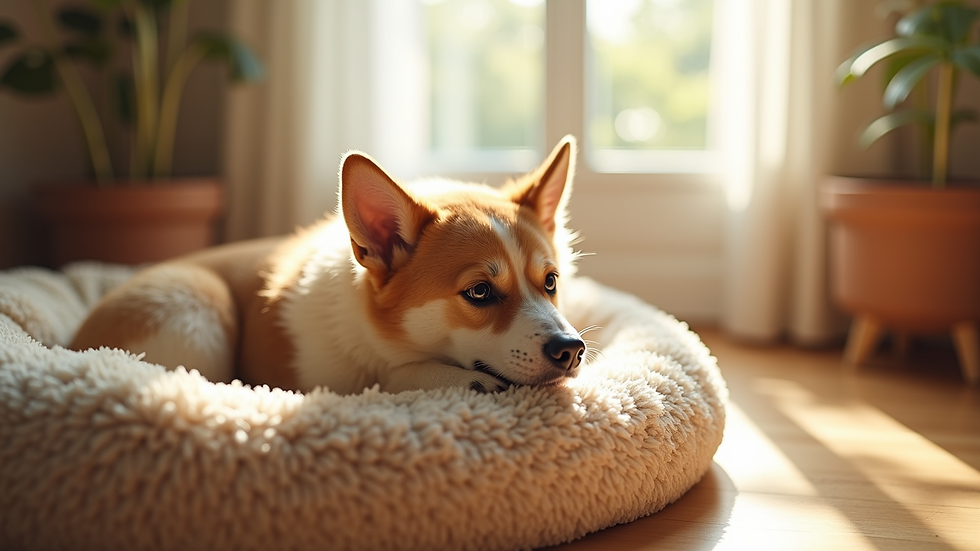
Make sure your home is ready for the sitter and your pet. Create a comfortable space for your pet with their bed, toys, and food. Ensure that the sitter has access to all necessary supplies.
3. Schedule a Meet and Greet
Before the actual sitting period, arrange a meet and greet between your pet and the sitter. This will help your pet feel more comfortable and allow the sitter to observe your pet's behavior.
Communication is Key
Effective communication with your pet sitter is essential for a stress-free experience. Here are some tips to maintain open lines of communication:
1. Establish Check-In Protocols
Discuss how often the sitter should check in with you during the sitting period. Whether it's daily updates or a quick text after each visit, having a communication plan in place will help ease your worries.
2. Be Available for Questions
Encourage the sitter to reach out if they have any questions or concerns. Being approachable will help the sitter feel more confident in their role.
3. Share Emergency Contacts
Provide the sitter with emergency contact information, including your veterinarian's number and a trusted friend or family member who can step in if needed.
Ensuring a Positive Experience for Your Pet
To ensure your pet has a positive experience while you're away, consider the following:
1. Stick to Routine
Pets thrive on routine. Try to maintain your pet's regular schedule as much as possible, including feeding times, walks, and playtime.
2. Provide Comfort Items
Leave behind items that smell like you, such as a worn t-shirt or a blanket. Familiar scents can help soothe your pet and reduce anxiety.
3. Monitor Behavior
If possible, set up a pet camera to monitor your pet's behavior while you're away. This can provide peace of mind and help you see how your pet is adjusting to the sitter.
Handling Challenges
Even with the best preparation, challenges may arise during the pet sitting period. Here are some tips for handling common issues:
1. Dealing with Separation Anxiety
If your pet experiences separation anxiety, discuss strategies with the sitter to help ease their stress. This may include extra playtime, soothing music, or interactive toys.
2. Addressing Behavioral Issues
If your pet exhibits behavioral issues while you're away, ensure the sitter knows how to handle them. Provide guidance on discipline techniques and when to seek help.
3. Emergency Situations
Discuss emergency protocols with the sitter. Make sure they know what to do in case of an emergency, including contacting you, your veterinarian, or a nearby pet hospital.
Post-Sitting Follow-Up
After the pet sitting period is over, it's essential to follow up with the sitter and your pet. Here’s how:
1. Debrief with the Sitter
Schedule a time to discuss the experience with the sitter. Ask about any challenges they faced and how your pet behaved. This feedback can help you make informed decisions for future pet sitting needs.
2. Check on Your Pet
Spend quality time with your pet upon your return. Observe their behavior and ensure they are happy and healthy. If you notice any changes, consult your veterinarian.
3. Leave a Review
If you were satisfied with the sitter's services, consider leaving a review. This not only helps the sitter but also assists other pet owners in finding reliable care.
Conclusion
Choosing the right pet sitting service can significantly reduce stress for both you and your pet. By understanding your pet's needs, finding a trustworthy sitter, and maintaining open communication, you can ensure a positive experience. Remember, preparation is key, and a little effort can go a long way in making your pet feel comfortable and loved while you're away. So, take these tips to heart and enjoy your time away, knowing your furry friend is in good hands.

Comments